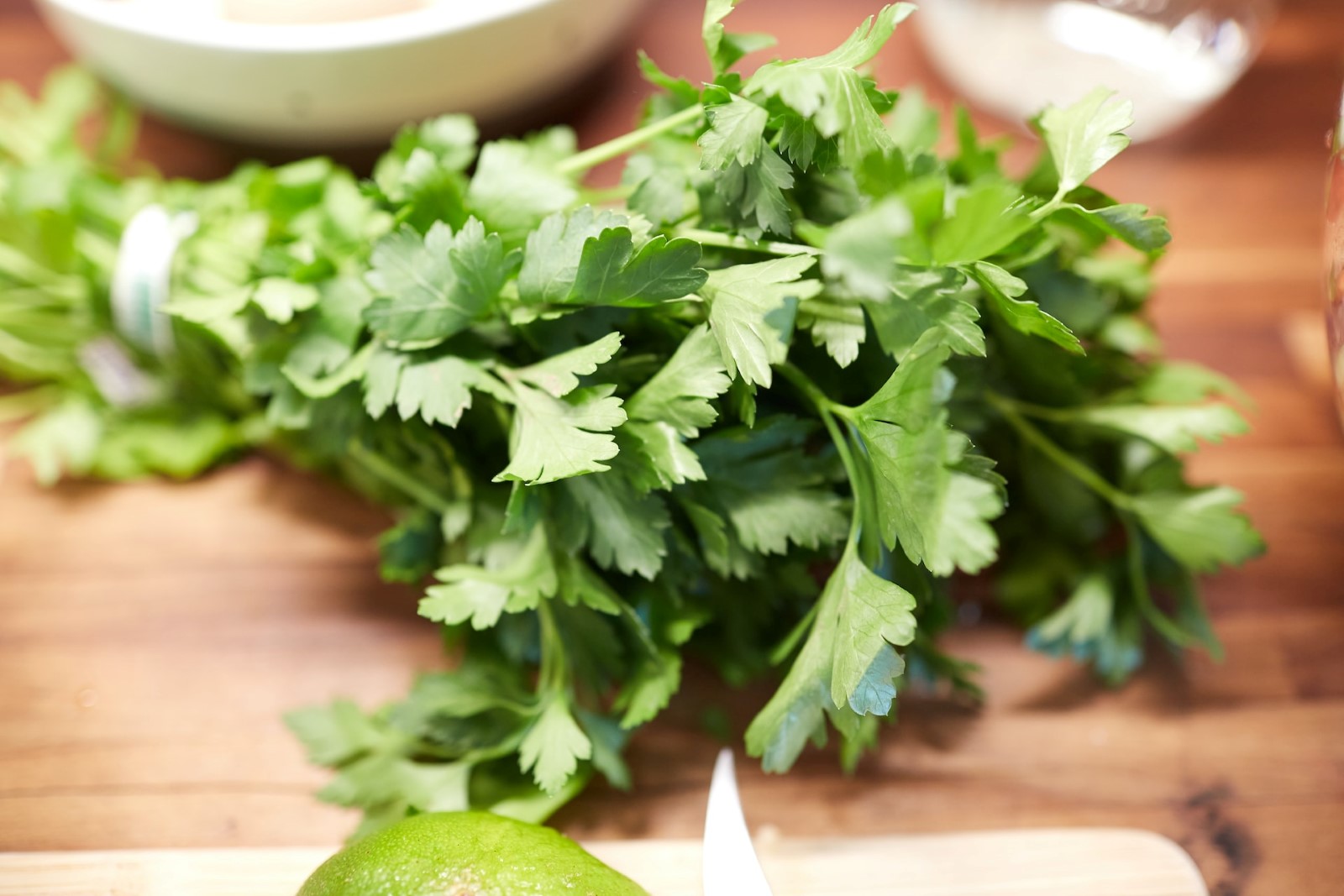
Preserve Parsley: The Easiest Ways to Dry Herbs at Home
There's nothing quite like the vibrant green and fresh, peppery taste of parsley to elevate a dish. Whether you're growing it in your garden, a window box, or simply find yourself with an abundance after a grocery run, the dilemma often arises: how do you keep this delightful herb from wilting away before you can use it all? The answer, both simple and satisfying, lies in the age-old art of drying. Learning how to dry parsley not only prevents waste but also ensures you have a readily available supply of this versatile herb, ready to infuse flavor and a touch of color into your culinary creations year-round. From hearty stews to light salads, dried parsley proves to be an indispensable pantry staple.
Drying parsley concentrates its flavor, creating a robust, earthy note that differs slightly from its fresh counterpart but is equally valuable. It's a skill that empowers home cooks to embrace sustainability and savor the taste of their favorite herbs long after harvest season. We'll explore several straightforward methods, each offering unique advantages in terms of time, equipment, and hands-on effort, ensuring there's a perfect drying technique for every kitchen.
The Essential First Step: Preparing Your Parsley for Drying
Before embarking on any drying method, proper preparation is paramount. This foundational step ensures your dried parsley is clean, free from impurities, and ready to yield the best possible flavor and longevity.
- Rinse Thoroughly: Begin by gently rinsing your fresh parsley under cool running water. This removes any dirt, dust, or small insects that might be clinging to the leaves. You can either hold individual sprigs under the faucet or swish bundles in a bowl of cool water.
- Inspect and Discard: Take a moment to inspect your parsley. Remove any yellowed, bruised, or damaged leaves, as well as any thick stems you don't intend to dry. Healthy, vibrant green sprigs will provide the best dried product.
- Pat Dry, Meticulously: This is arguably the most crucial step. Excess moisture is the enemy of successful drying, as it can lead to steaming (cooking the herb) rather than drying, or even worse, mold growth. Lay the washed parsley sprigs on a clean kitchen towel or several layers of paper towels. Gently pat them dry, ensuring there are no visible water droplets remaining. You might even let them air-dry on the counter for an hour or two after patting, especially if using a heat-based method, to be absolutely certain.
Once your parsley is clean and thoroughly dry, it's ready for the transformation into a long-lasting pantry gem. Let's dive into the diverse and easy methods for how to dry parsley.
Mastering the Methods: Diverse Ways to Dry Parsley
There's more than one path to perfectly dried parsley. Depending on your kitchen equipment, available time, and personal preference, you can choose from several effective techniques. Each method offers a unique approach to removing moisture, ensuring your parsley retains its flavor and vibrant color.
Oven Drying: Gentle Heat for Perfect Crisps
Your conventional oven, usually reserved for baking and roasting, can be an incredibly reliable tool for drying herbs like parsley. The key is low, consistent heat.
- Preparation: After washing and thoroughly drying your parsley, spread the individual sprigs out on a baking sheet. It's crucial that the leaves do not overlap and lie flat on the surface for even drying. Crowding the pan will lead to uneven results.
- Temperature Setting: Preheat your oven to its absolute lowest temperature setting, which is typically around 170-200°F (75-90°C). Some ovens can go even lower; if so, opt for the lowest possible. The goal is to dehydrate, not to cook.
- Drying Process: Place the baking sheet into the preheated oven. Allow the parsley to dry for approximately one hour. After this time, turn the oven off but leave the parsley inside, allowing the residual heat to continue the drying process. This prevents over-drying or accidental burning.
- Checking for Dryness: After another hour (or once the oven has cooled significantly), check the parsley. It should be brittle and crumble easily between your fingers. If there's still any flexibility, return it to the turned-off oven for a bit longer, or if necessary, give it another short burst (15-20 minutes) at the lowest temperature.
Oven drying is an excellent method for larger batches and provides a relatively quick turnaround for your dried herbs. For more details on this and other heat-based methods, see our guide on How to Dry Parsley: Oven, Microwave, Air & Dehydrator Methods.
Microwave Magic: Speed and Convenience
For those in a hurry, the microwave offers the fastest way to dry parsley. This method requires careful attention but delivers results in minutes.
- Arrangement: Lay your prepared, thoroughly dry parsley sprigs in a single layer on a paper plate, a sheet of parchment paper, or directly on your microwave's turntable. Again, ensure no leaves overlap.
- Short Bursts are Key: Microwave the parsley in short intervals. Start with one 60-second burst on high power. After that, switch to 30-second bursts.
- Monitor Closely: After the first few bursts (typically after 3-4 bursts in total), begin checking the parsley for dryness. It's easy to over-dry and burn herbs in the microwave, so vigilance is essential.
- Desired Texture: Once ready, the parsley should be crisp and crumble effortlessly. If it's still pliable, continue with additional 10-15 second bursts until completely dry.
The microwave method is ideal for small quantities when you need dried parsley quickly. It's a fantastic option for preserving the Best Flavor Parsley: Quick Drying Methods for Your Kitchen, though you'll need to be attentive.
Air Drying: The Traditional, Hands-Off Approach
Air drying is arguably the simplest and most traditional method, requiring minimal equipment and a bit of patience. It leverages natural air circulation to remove moisture.
- Bundling: After washing and thoroughly drying, gather small bundles of 4-6 parsley sprigs and tie the stems together with twine or a rubber band. Don't make the bundles too large, as this can hinder airflow and promote mold.
- Optimal Environment: Hang these bundles upside down in a warm, dry, and well-ventilated area of your home. Attics, pantries, or a corner of the kitchen away from direct sunlight are ideal. Good air circulation is crucial to prevent mold growth. Some people cover the bundles loosely with a paper bag (with holes cut in it) to protect from dust.
- Timeframe: Air drying takes the longest, typically two to three weeks, depending on the humidity and temperature of your environment.
- Testing Dryness: Your parsley is fully dry when the leaves are brittle and easily crumble to the touch.
Air drying is a beautiful, low-tech way to preserve your herbs, connecting you to generations of home preservers.
Food Dehydrator: The Professional's Choice
For those serious about preserving herbs and produce, a food dehydrator offers the most controlled and efficient drying environment.
- Arrangement: Simply lay your prepared parsley sprigs in a single layer on the dehydrator trays. Ensure good airflow around each piece.
- Settings: Set your food dehydrator to the herb-drying setting, which is usually a very low temperature, around 95-105°F (35-40°C). This gentle, consistent heat combined with circulating air is designed specifically to remove moisture without cooking the delicate herbs.
- Drying Time: Drying time in a dehydrator can vary but generally ranges from a few hours to half a day. Check periodically for dryness.
- Benefits: The dehydrator eliminates many risks associated with oven or microwave drying, such as burning or uneven drying, making it a reliable and hands-off option for achieving uniformly dried herbs.
Sun Drying: Harnessing Nature's Power
If you live in a hot, dry, and sunny climate, sun drying is another natural method that maximizes air circulation and uses the sun's direct heat.
- Conditions: This method requires consistently hot, low-humidity days with plenty of sunshine.
- Spreading: Spread your washed and thoroughly dried parsley sprigs on screens or racks. Elevating them off the ground allows for maximum air circulation.
- Protection: Crucially, you'll need to protect the parsley from insects, birds, and unexpected rain. Fine mesh screens are excellent for this. Bring the parsley indoors at night to protect it from dew and nocturnal creatures.
- Monitoring: Sun drying can take several days to a week. Regularly check the parsley for complete dryness and bring it inside immediately if there's any sign of rain.
Storing Your Dried Parsley for Lasting Freshness
Once your parsley is perfectly dry and brittle, the next crucial step is proper storage to maintain its potency, color, and flavor. Incorrect storage can quickly diminish the quality of your hard work.
- Cool Completely: Before storing, ensure the dried parsley has cooled completely to room temperature. Storing warm herbs can create condensation, leading to moisture and mold.
- Airtight Containers: The enemy of dried herbs is humidity and oxygen. Store your dried parsley in airtight containers such as glass jars with tight-fitting lids, or vacuum-sealed bags. This prevents moisture reabsorption from the air and slows down the oxidation process that degrades flavor.
- Dark, Cool Place: Light and heat are also detrimental to dried herbs, causing them to fade in color and lose their aromatic compounds. Store your airtight containers in a cool, dark pantry or cupboard, away from direct sunlight, stoves, or other heat sources.
- Whole or Crumbled?: For maximum flavor retention, it's often recommended to store dried parsley as whole leaves or sprigs and crumble them just before use. This protects the volatile oils within the herb. However, if you prefer convenience, you can gently crumble the dried leaves into smaller flakes before storing.
- Label and Date: Always label your containers with the herb name and the date it was dried. This helps you keep track of its freshness.
Properly stored, dried parsley can maintain its quality for 6 to 12 months, though its potency will gradually diminish over time. For the best flavor, aim to use it within that first year.
Elevate Your Culinary Creations with Dried Parsley
Having a stash of homemade dried parsley opens up a world of culinary possibilities. While its flavor profile is generally milder and more concentrated than fresh parsley, it brings a delightful earthy note and a touch of green to a wide array of dishes.
- Soups and Stews: Dried parsley is a natural fit for slow-cooked dishes. Add it early in the cooking process to allow it time to rehydrate and infuse its flavor into broths, stews, chilis, and hearty casseroles.
- Rubs and Seasoning Blends: Combine dried parsley with other dried herbs and spices to create custom rubs for meats, poultry, or roasted vegetables. It adds a subtle herbaceous background.
- Dressings and Marinades: Rehydrate dried parsley in a small amount of warm water or vinegar before adding it to salad dressings or marinades. This helps release its flavor more effectively.
- Baked Goods: Savory scones, breads, or crackers can benefit from the subtle green flecks and flavor of dried parsley.
- Garnishes and Finishes: While it lacks the bright pop of fresh parsley, dried parsley can still serve as an attractive and flavorful garnish for potato salads, scrambled eggs, or even sprinkled over hummus.
- Conversion Tip: As a general rule, use one teaspoon of dried herbs for every tablespoon of fresh herbs called for in a recipe. However, this can be adjusted to taste.
Embracing dried parsley means extending the season of your favorite herb and adding a valuable, ready-to-use ingredient to your pantry. It's a testament to the power of simple preservation methods.
Mastering how to dry parsley is a rewarding endeavor for any home cook. Not only does it help reduce food waste, but it also provides a readily available, flavor-packed ingredient for your kitchen all year long. Whether you choose the quick microwave method, the traditional air-drying approach, the reliable oven, or the efficient dehydrator, the satisfaction of preserving your own herbs is truly unmatched. So, the next time you find yourself with an abundance of fresh parsley, don't let it go to waste. Turn it into a culinary treasure that will enhance your meals for months to come.
